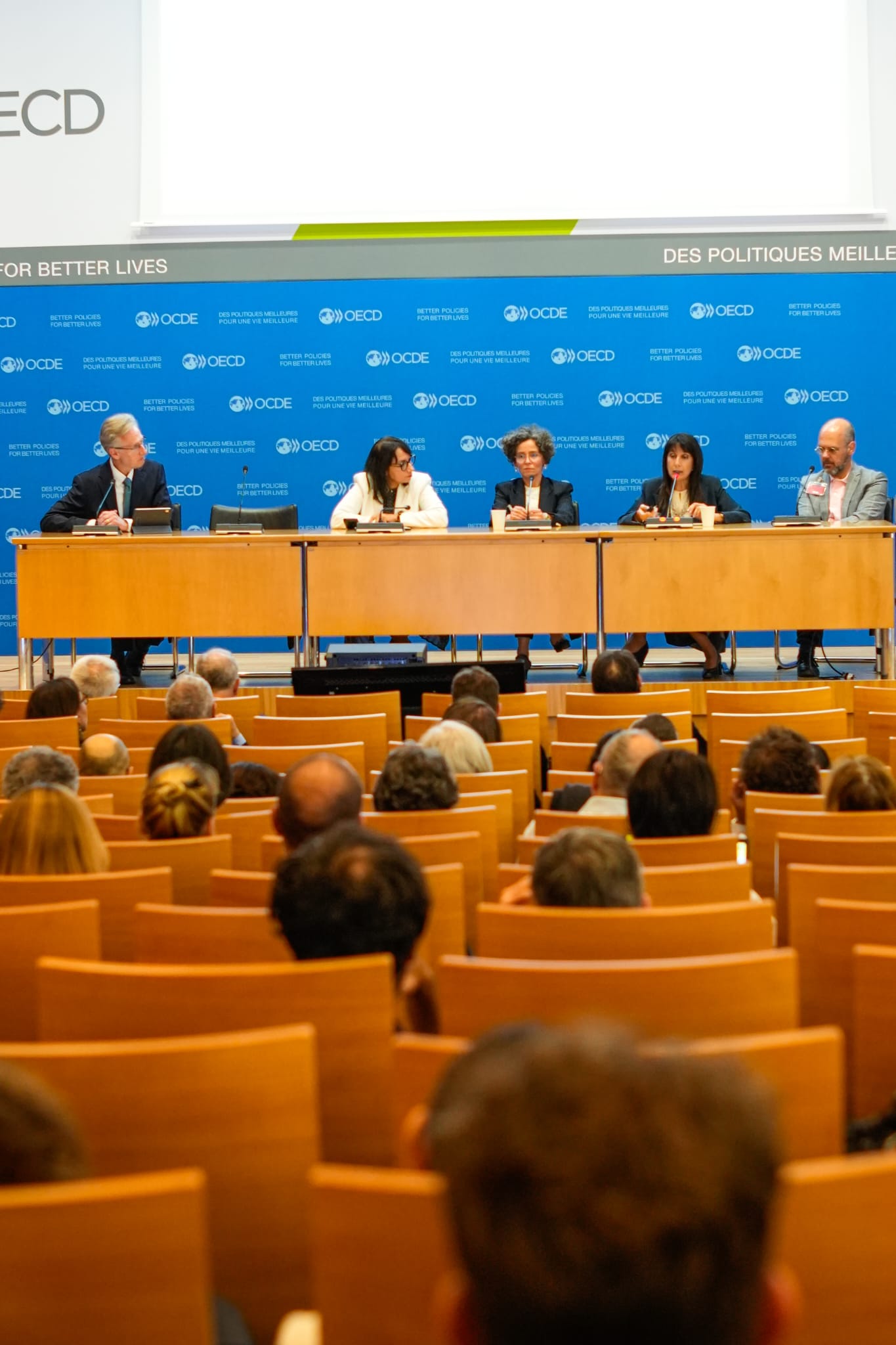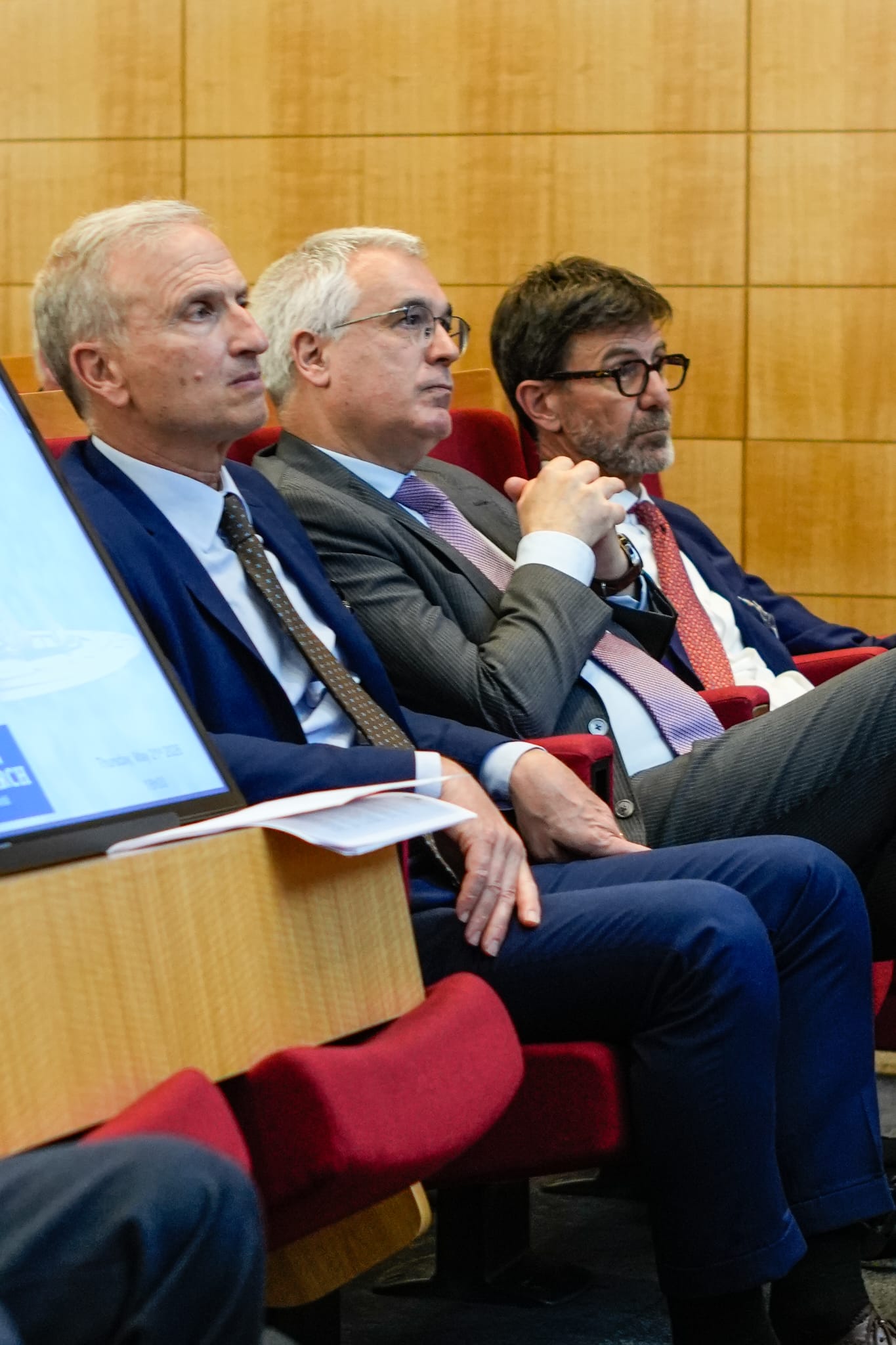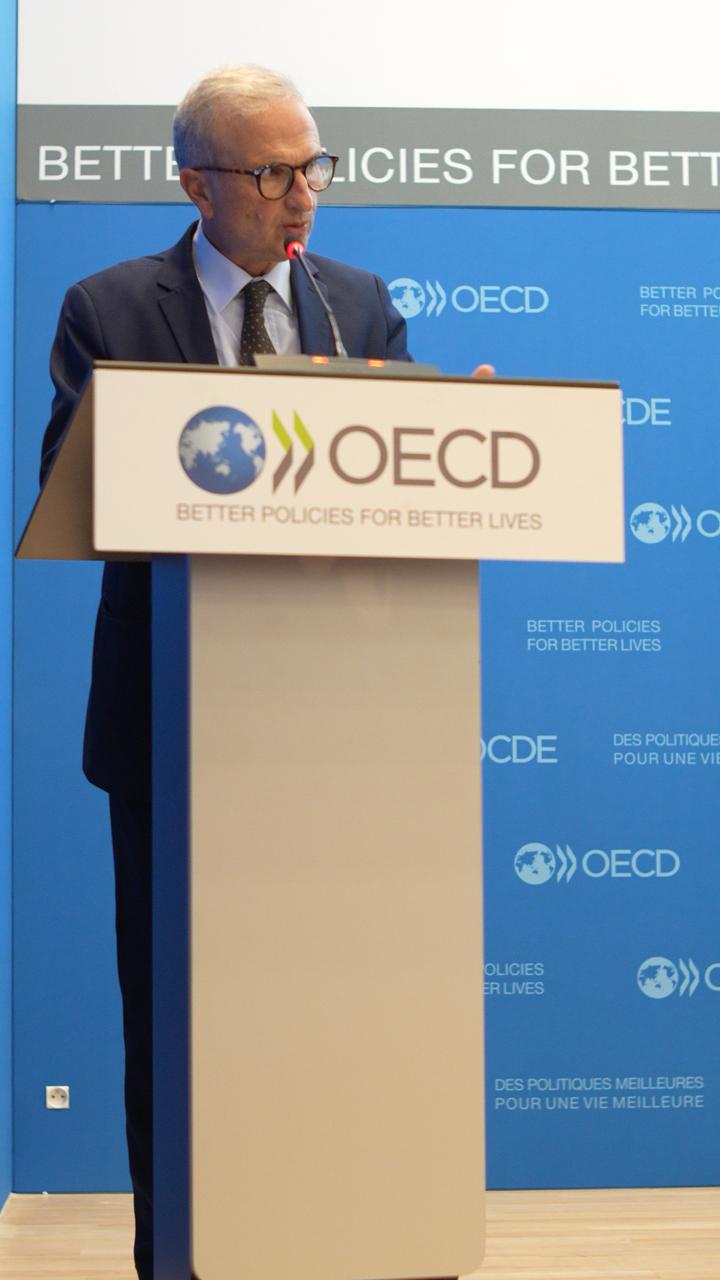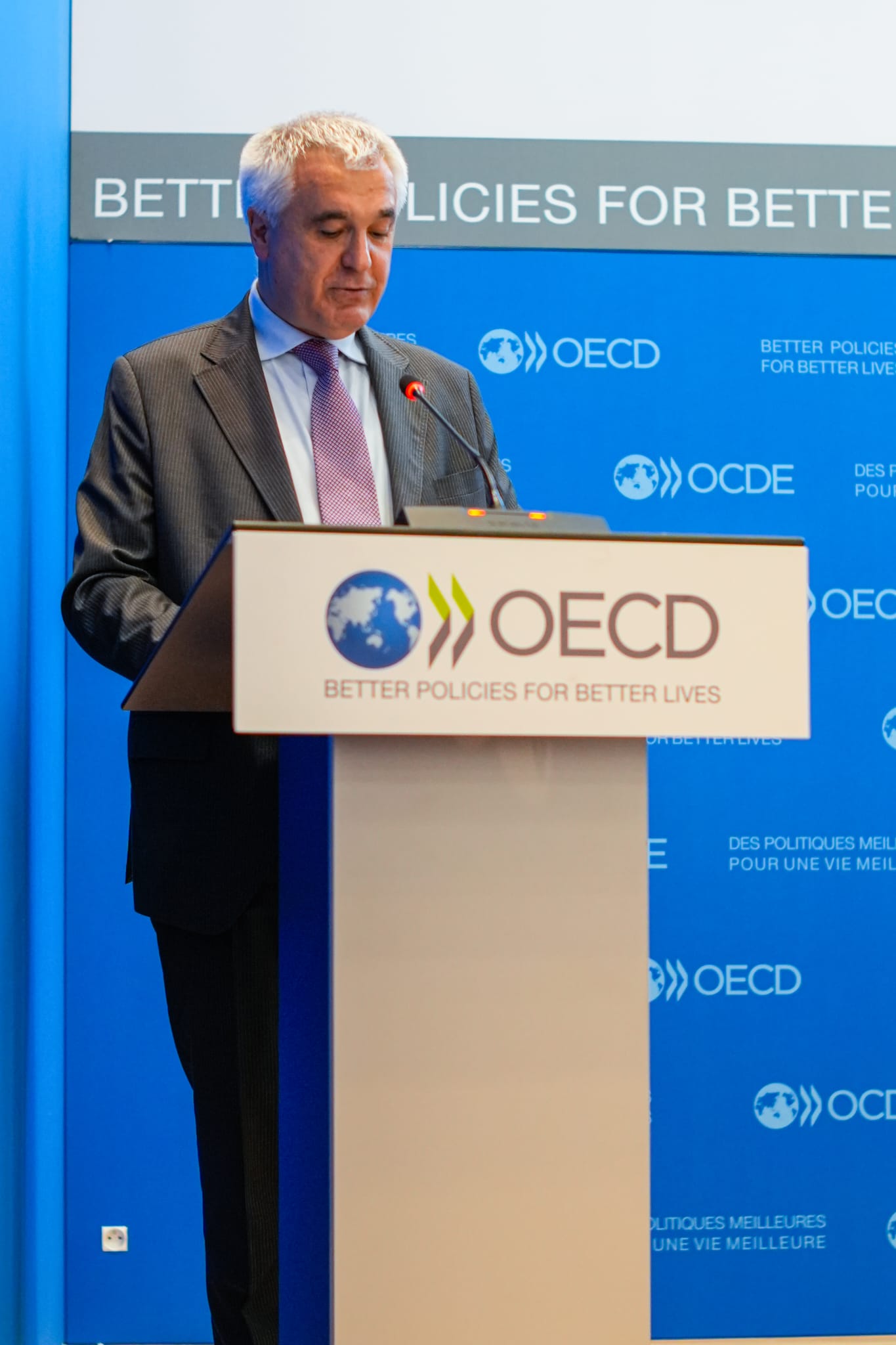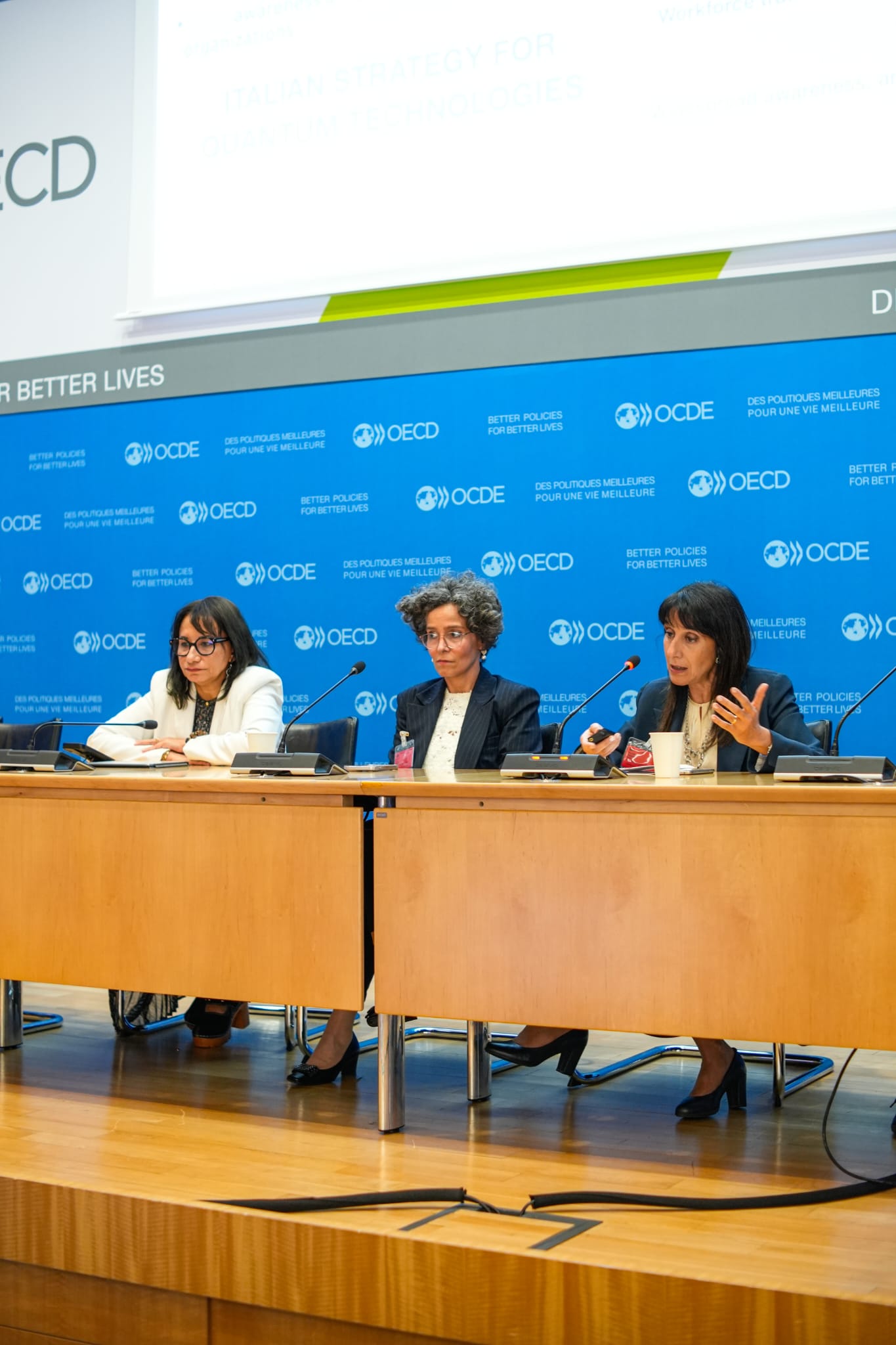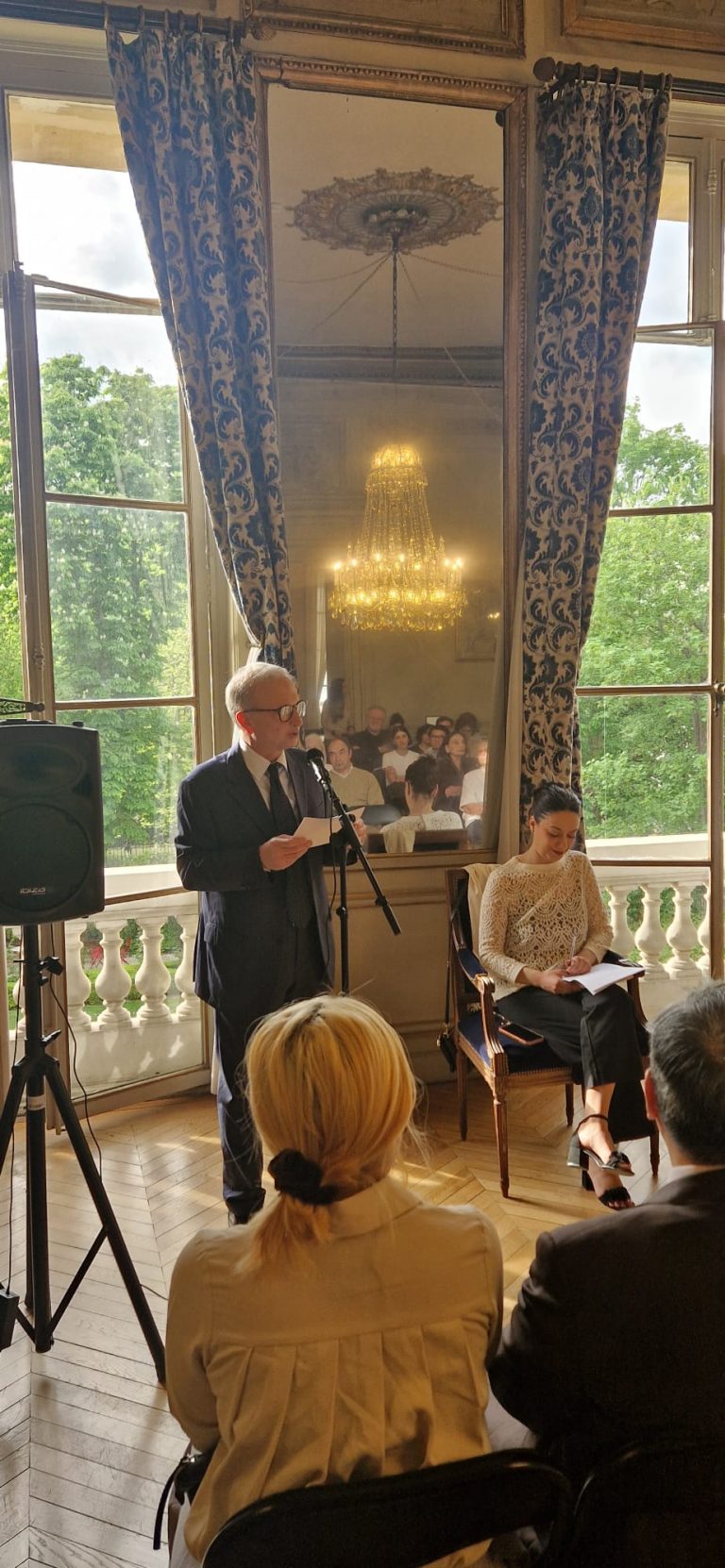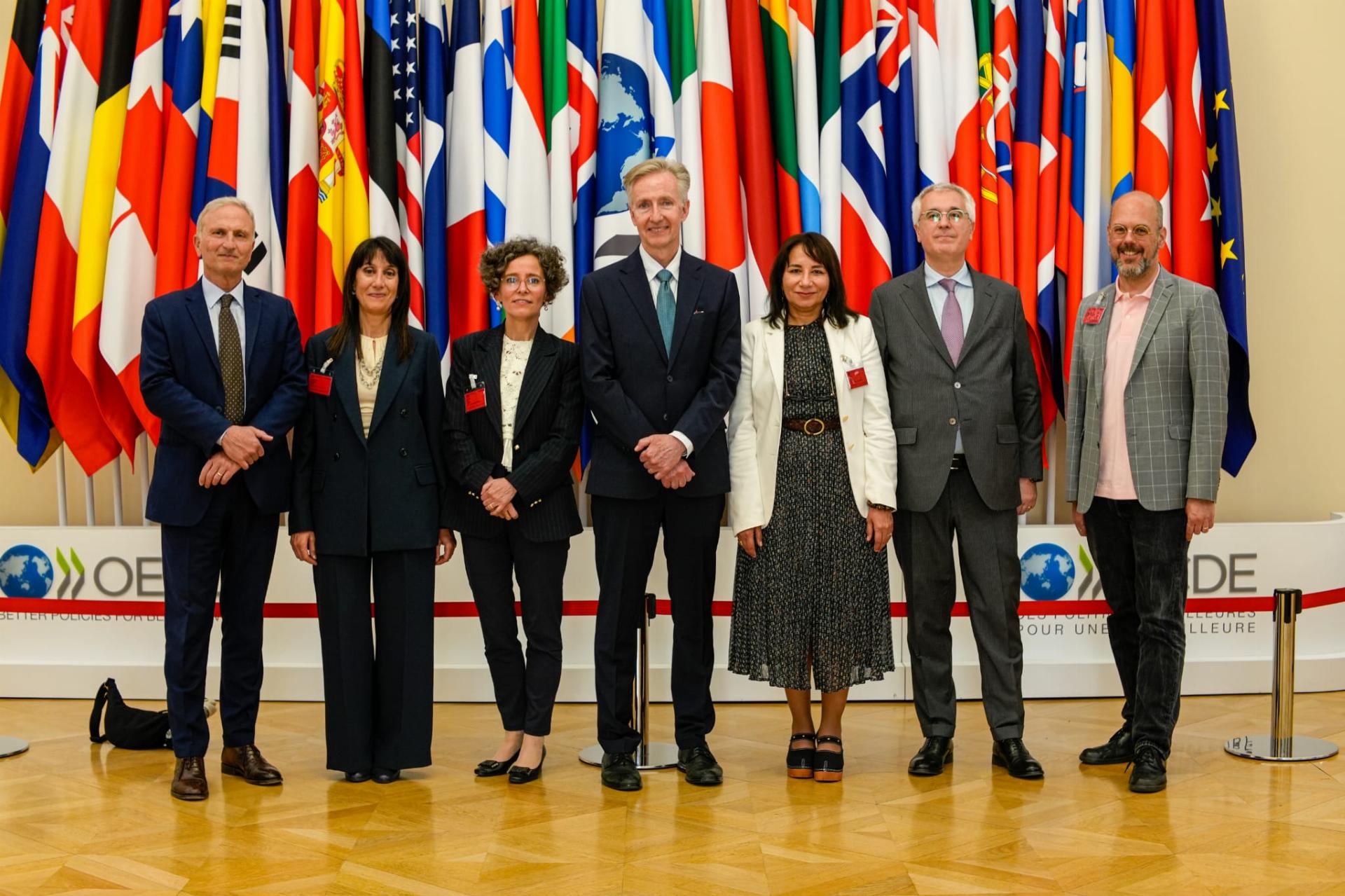
On the occasion of Italian Research Day in the World 2026, the Permanent Mission of Italy to the International Organizations in Paris and the Permanent Mission to UNESCO organized an event at the OECD entitled “Quantum Technologies: Scientific Frontiers, Industrial Opportunities, and Policy Challenges,” dedicated to quantum technologies and their impact on research, industry, and public policy.
This initiative follows the one held by the two diplomatic missions on May 6th on Federico Faggin, inventor of the first microprocessor. The meeting provided an opportunity for scientists, innovators, public policymakers, and international organizations to discuss the issue, distinguishing realistic perspectives from speculative narratives and identifying the conditions for responsible development in the sector.
Italy’s position is very strong thanks to investments from the PNRR, particularly through the National Quantum Science and Technology Institute and the National Research Center in “High Performance Computing, Big Data, and Quantum Computing.” Ambassador Luca Sabbatucci, Italy’s Permanent Representative to International Organizations, emphasized that quantum technologies represent a new phase in scientific research, increasingly linked to applications, industrial development, competitiveness, and public policies. He then highlighted the OECD’s role as a privileged forum for the exchange of scientific evidence, technological analysis, economic assessment, and public policy reflection, capable of contributing to the development of realistic, responsible, and forward-looking strategies. During the meeting, the multilateral dimension of quantum technologies was emphasized. As emphasized by Italy’s Permanent Representative to UNESCO, Liborio Stellino, “quantum technologies must not remain the privilege of a few, but become a shared resource, capable of fostering global collaboration and generating benefits for societies worldwide. Italy is fully committed to this vision and wholeheartedly supports the principles of the Global Quantum Initiative, launched by UNESCO.”
A roundtable discussion, introduced and moderated by Jerry Sheehan, Director of Science, Technology and Innovation at the OECD, brought together internationally renowned figures: Tommaso Calarco (University of Cologne), Sara Ducci (Université Paris Cité), Amal Kasri (Chief of the Section for Basic Science at UNESCO, whose strategic partner is the Abdus Salam International Centre for Theoretical Physics in Trieste – ICTP), and Elisabetta Paladino, member of the Steering Committee of the National Quantum Science and Technology Institute. The discussion addressed the current state of quantum research, the applications closest to maturity, the necessary infrastructure and expertise, the role of public institutions and international organizations, as well as the need to promote an inclusive ecosystem while avoiding facile enthusiasm and oversimplifications in public communication. Sandro Scandolo, Senior Coordinator, Research & Partnerships at ICTP in Trieste, concluded the discussion by highlighting the role of international scientific cooperation and strengthening research capacities in developing countries.